
Daily skincare has become an essential part of modern self-care, especially in Pakistan, where intense sunlight, heat, pollution, and environmental stress can affect skin health throughout the year. Many people use a moisturizing day cream and wonder whether it can do the job of a dedicated sunscreen.
The short answer is no. While some day creams offer limited sun protection, they are not designed to replace a sunscreen completely. Understanding the difference can help you build a smarter skincare routine that supports hydration, skin repair, and long-term protection.
In this guide, we will explore how day creams work, when sun protection becomes essential, and how Skin Sciences Day Cream helps consumers achieve healthier, more radiant skin.
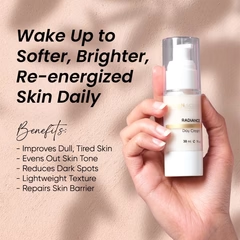
Understanding the Role of Day Creams
A day cream is formulated to support the skin during daytime exposure to environmental stressors. Its primary purpose is to hydrate, nourish, and protect the skin barrier while improving overall skin appearance.
Many modern formulations contain ingredients that help:
- Maintain moisture levels
- Improve skin texture
- Reduce dryness and dullness
- Support collagen production
- Minimize the appearance of fine lines
- Enhance natural radiance
The Best Day Cream in Pakistan is typically one that delivers hydration and nourishment while complementing a complete skincare routine.
Key Benefits of a Day Cream
Day creams are designed to provide multiple skincare benefits throughout the day.
Hydration Support
Healthy skin requires consistent moisture. A quality moisturizer helps prevent dehydration and keeps the skin feeling soft and comfortable.
Skin Barrier Protection
The skin barrier protects against pollution, dust, and environmental aggressors. Nourishing ingredients help strengthen this protective layer.
Anti-Aging Care
Many daytime moisturizers include peptides, antioxidants, vitamins, and botanical extracts that help reduce visible signs of aging.
Enhanced Glow
Hydrated skin naturally reflects light better, creating a healthier and more luminous appearance.
What Does Sunscreen Actually Do?
Sunscreen serves a completely different purpose.
Its primary role is to protect the skin from ultraviolet (UV) radiation. Excessive UV exposure can contribute to:
- Premature aging
- Hyperpigmentation
- Uneven skin tone
- Sunburn
- Loss of elasticity
- Increased risk of skin damage
Unlike moisturizers, sunscreens are specifically tested and formulated to provide measurable protection against harmful UV rays.
Types of UV Rays
Understanding UV exposure helps explain why sunscreen remains essential.
UVA Rays
These rays penetrate deeply into the skin and contribute significantly to premature aging and wrinkles.
UVB Rays
UVB rays primarily affect the skin’s surface and are responsible for sunburn and visible skin damage.
A broad-spectrum sunscreen protects against both UVA and UVB radiation.
Can a Day Cream Replace Sunscreen?
In most cases, no.
Even when a day cream contains SPF, it is usually applied in smaller amounts than required for effective sun protection. As a result, the actual level of protection received may be much lower than stated on the packaging.
Dermatologists generally recommend using sunscreen separately, especially in countries like Northern where UV exposure can remain high for much of the year.
Why Day Cream Alone Is Not Enough
Several factors limit the effectiveness of relying solely on a day cream for sun protection.
Insufficient Application
Most people apply only a small amount of moisturizer, which may not provide adequate UV coverage.
Limited SPF Coverage
Some day creams contain low SPF levels that may not offer sufficient protection during prolonged outdoor exposure.
Lack of Reapplication
Sunscreen should be reapplied throughout the day, while day creams are typically used only once in the morning.
Environmental Conditions
Strong sunlight, humidity, and outdoor activities can reduce the effectiveness of products that are not specifically designed for sun protection.
The Ideal Morning Skincare Routine
For optimal skin health, experts recommend combining hydration with sun protection.
A simple routine may include:
- Gentle facial cleanser
- Hydrating serum
- Nourishing day cream
- Broad-spectrum sunscreen
- Makeup if desired
This layered approach addresses both skin nourishment and environmental protection.
Where Skin Sciences Fits In
Skin Sciences focuses on skincare solutions that support healthy-looking skin through quality ingredients and science-backed formulations.
A well-formulated daytime moisturizer from Skin Sciences can help:
- Improve hydration levels
- Support skin repair
- Enhance skin softness
- Promote a smoother complexion
- Complement daily sun protection
Rather than replacing sunscreen, a quality day cream works alongside it to deliver comprehensive skincare benefits.
Why Sun Protection Is Especially Important
Experiences significant sun exposure across most regions throughout the year.
Factors that increase the need for sunscreen include:
- Long summers
- High UV index levels
- Outdoor commuting
- Air pollution
- Heat and humidity
People often assume sunscreen is only necessary at the beach or during vacations. In reality, daily exposure during routine activities can contribute to cumulative skin damage over time.
Common Skin Concerns Caused by Sun Exposure
Without adequate protection, individuals may experience:
Hyperpigmentation
Dark spots and uneven skin tone can become more noticeable after repeated sun exposure.
Premature Aging
Fine lines, wrinkles, and loss of firmness may develop earlier when skin is regularly exposed to UV radiation.
Dullness
Environmental stress and sun damage can reduce the skin’s natural glow.
Dehydration
Sun exposure may weaken the skin barrier, leading to moisture loss and dryness.
Ingredients to Look for in a Quality Day Cream
When choosing a daytime moisturizer, look for ingredients that support hydration and skin health.
Hyaluronic Acid
Helps attract and retain moisture for plumper-looking skin.
Niacinamide
Supports barrier function and promotes a more even complexion.
Vitamin E
Provides antioxidant support against environmental stressors.
Peptides
Help improve skin firmness and smoothness.
Botanical Extracts
Plant-based ingredients can help soothe and nourish the skin.
Skin Sciences incorporates carefully selected ingredients designed to support healthy, balanced skin throughout the day.
Day Cream and Sunscreen: Better Together
Think of day cream and sunscreen as partners rather than competitors.
A day cream focuses on:
- Hydration
- Nourishment
- Skin comfort
- Barrier support
Sunscreen focuses on:
- UV protection
- Prevention of sun damage
- Reduction of premature aging
- Protection against pigmentation concerns
Using both products creates a more complete skincare strategy.
Final Words
A day cream offers valuable benefits such as hydration, nourishment, skin repair support, and improved radiance. However, it should not be considered a replacement for sunscreen where UV exposure remains significant throughout the year.
For healthier, more resilient skin, combine a nourishing moisturizer with a broad-spectrum sunscreen every morning. This simple habit helps protect against environmental stress while maintaining hydration and supporting a youthful, glowing complexion.
Skin Sciences understands that effective skincare is built on consistency, quality ingredients, and smart product choices. By using a day cream alongside proper sun protection, you can give your skin the care it needs to look and feel its best every day.
Frequently Asked Questions
1. Can I skip sunscreen if my day cream contains SPF?
It is not recommended. Most people do not apply enough day cream to achieve the stated SPF protection, making a dedicated sunscreen the safer choice.
2. How often should sunscreen be reapplied?
Sunscreen should generally be reapplied every two hours when exposed to sunlight, especially during outdoor activities.
3. Is sunscreen necessary during winter ?
Yes. UV rays remain present throughout the year, even on cloudy or cooler days.
4. What should I apply first, day cream or sunscreen?
Apply your day cream first and allow it to absorb before applying sunscreen as the final skincare step.
5. Can Skin Sciences day creams help improve skin glow?
Yes. Skin Sciences products are designed to support hydration, nourishment, and skin barrier health, which can contribute to a brighter and healthier-looking complexion.