
Night creams are an essential part of a healthy skincare routine. They help repair the skin, restore hydration, and support the skin’s natural recovery process while you sleep. However, many people notice pimples, clogged pores, or small bumps after introducing a new night cream and start wondering whether the cream is causing breakouts.
The reality is that night creams do not directly cause acne. Most breakouts occur because of improper application, unsuitable ingredients, excessive use, or choosing a formula that is not compatible with your skin type.
This guide explains why breakouts happen, how to avoid common mistakes, and how choosing the right night cream such as Skin Sciences Night Cream can help maintain healthy, balanced skin.
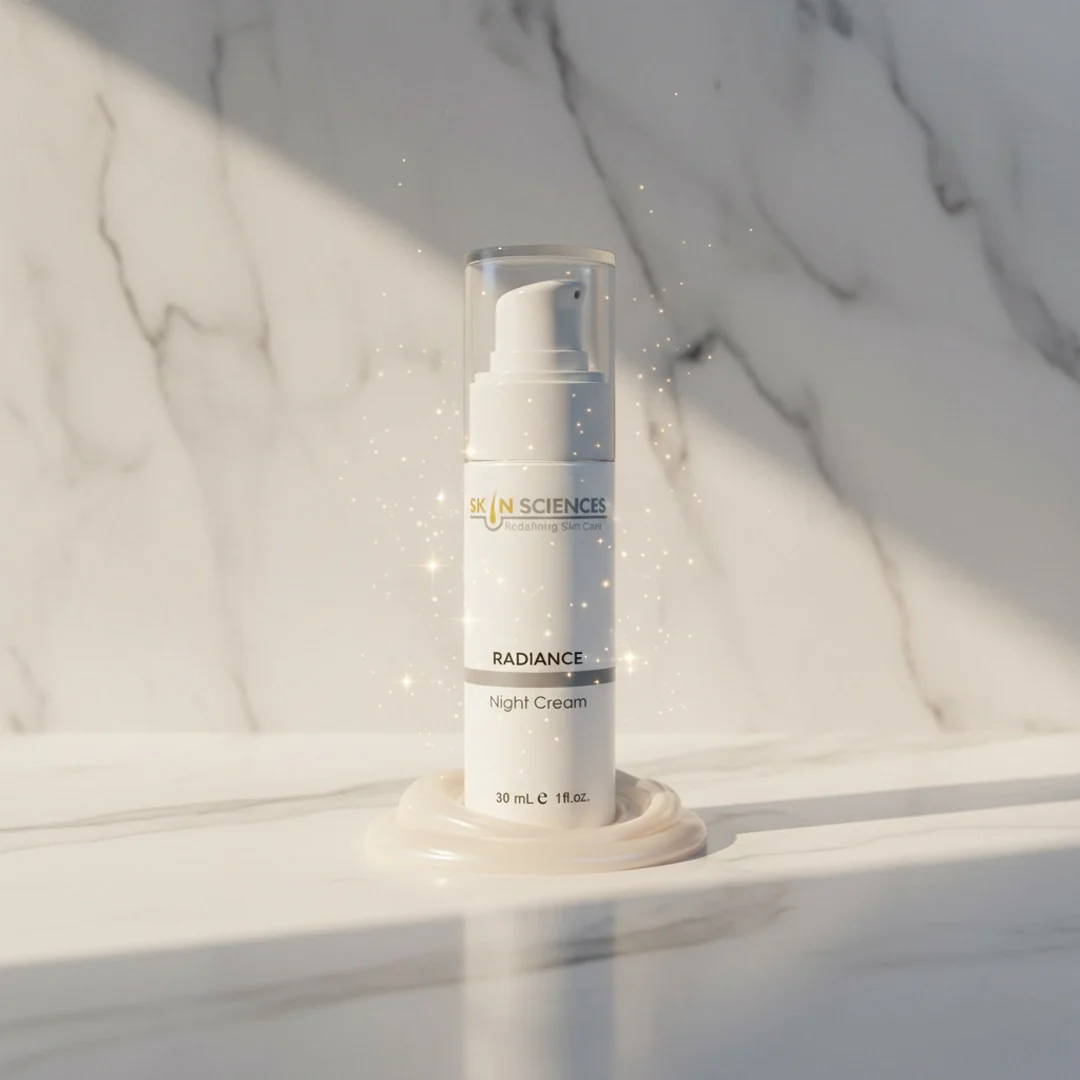
What Does a Night Cream Actually Do?
A night cream is specifically designed to support your skin’s recovery process during sleep. While you rest, your skin works to repair daily damage caused by environmental stressors and restore moisture levels.
A quality night cream helps to:
- Deeply hydrate the skin
- Support overnight skin repair
- Improve skin texture
- Reduce dryness
- Minimize the appearance of fine lines
- Promote a smoother complexion
- Enhance overall skin radiance
The best night creams nourish the skin without feeling heavy or clogging pores.
Can Night Creams Really Cause Breakouts?
Yes, breakouts can occur after using a night cream but usually because of incorrect usage rather than the product category itself.
Common reasons include:
- Using a formula that is too rich for your skin type
- Applying too much product
- Combining it with incompatible skincare products
- Poor cleansing habits
Understanding these causes can help you avoid unnecessary skin concerns.
Signs Your Night Cream May Be Contributing to Breakouts
You may notice:
- Small bumps on the forehead
- Whiteheads around the nose and chin
- Increased oiliness
- Congested pores
- Pimples appearing shortly after use
If these symptoms consistently appear after introducing a new product, it may be time to switch formulas or adjust your application method.
7 Common Mistakes That Can Lead to Breakouts
1. Applying Too Much Product
Many people assume that using more cream will produce better results. In reality, excessive product can sit on the skin’s surface, trapping oil and contributing to clogged pores.
Tip: A pea-sized amount is usually sufficient for the entire face.
2. Choosing the Wrong Formula for Your Skin Type
Different skin types require different formulations.
For Oily Skin
Heavy creams may feel greasy and contribute to congestion.
For Combination Skin
Some areas need hydration while others require lighter moisture.
For Dry Skin
Rich creams can be beneficial, but ingredients should still be carefully selected.
3. Skipping Proper Cleansing
Applying night cream over sunscreen, makeup, dirt, and excess oil can clog pores and increase the likelihood of breakouts.
Always cleanse your skin thoroughly before applying any nighttime skincare products.
4. Layering Too Many Products
Using multiple serums, oils, treatments, and moisturizers simultaneously can overwhelm the skin.
Excessive layering may cause:
- Irritation
- Product buildup
- Congested pores
- Breakouts
Sometimes, a simpler routine works best.
5. Using Products with Irritating Ingredients
Certain ingredients may not suit acne-prone or sensitive skin.
Heavy Occlusive Ingredients
These can feel too rich and potentially clog pores in oily skin types.
Fragrances
Strong fragrances may irritate sensitive skin and trigger inflammation.
Certain Oils
While beneficial for some, certain oils may not work well for acne-prone individuals.
Comedogenic Ingredients
These ingredients are more likely to block pores and contribute to breakouts.
Reading ingredient labels and understanding your skin’s needs can help prevent unwanted reactions.
Why Night Creams Are Beneficial
When selected and used correctly, night creams offer numerous benefits.
Overnight Hydration
Skin naturally loses moisture during sleep. Night creams help maintain hydration levels throughout the night.
Skin Barrier Repair
A healthy skin barrier protects against environmental damage and moisture loss.
Anti-Aging Support
Many night creams contain ingredients such as peptides and antioxidants that help improve the appearance of aging skin.
Improved Skin Texture
Consistent hydration often leads to softer, smoother skin.
Enhanced Radiance
Well-hydrated skin generally appears brighter and healthier.
How to Apply Night Cream Correctly
Following the proper application method can significantly reduce the risk of breakouts.
1: Cleanse Thoroughly
Remove makeup, sunscreen, dirt, and excess oil before applying any skincare products.
2: Apply Treatment Products First
If you use serums or targeted treatments, apply them before your moisturizer.
3: Use a Moderate Amount
A pea-sized amount is typically enough for the face and neck.
4: Apply Evenly
Gently spread the cream across your face and neck without rubbing aggressively.
5: Stay Consistent
Regular use delivers better results than occasional over-application.
How to Choose the Right Night Cream
Selecting the right night cream starts with understanding your skin type.
For Dry Skin
Look for deeply hydrating and nourishing ingredients.
For Oily Skin
Choose lightweight, non-comedogenic formulas that provide hydration without excess oil.
For Combination Skin
Balanced formulations that hydrate without feeling heavy are ideal.
For Mature Skin
Products containing peptides, antioxidants, and skin-replenishing ingredients can help address visible signs of aging.
Common Night Cream Myths
1: More Product Gives Better Results
Using extra cream does not improve effectiveness and may clog pores.
2: Oily Skin Doesn’t Need Moisturizer
All skin types, including oily skin, need proper hydration.
3: Every Breakout Means the Product Is Bad
Hormones, stress, diet, and skincare habits can all contribute to breakouts.
4: Expensive Products Never Cause Breakouts
Price does not determine compatibility. The formulation must suit your skin type.
Why Skin in Pakistan Needs Overnight Care
Environmental factors can place significant stress on the skin throughout the day.
Common challenges include:
- Heat and humidity
- Air pollution
- Dust exposure
- Sun damage
- Seasonal dryness
A suitable night cream helps support the skin’s overnight recovery process and restore balance after daily exposure to these stressors.
Final Thoughts
Night creams do not automatically cause breakouts. Problems usually arise when a product is chosen incorrectly, applied excessively, or does not suit the skin type.
When used properly, night creams can provide valuable benefits, including:
- Deep hydration
- Skin barrier support
- Improved texture
- Enhanced radiance
- Overnight repair
The key is selecting a formula that matches your skin’s needs and applying it correctly and consistently. With Skin Sciences, you can support your skin’s overnight recovery while maintaining a balanced skincare routine. By avoiding common mistakes and following the right regimen, you can enjoy the benefits of overnight skincare without worrying about unnecessary breakouts.
Frequently Asked Questions (FAQs)
Can a Night Cream Cause Pimples Overnight?
Yes. If the formula is too heavy for your skin type or applied excessively, it may clog pores and lead to breakouts.
Should Oily Skin Avoid Night Cream?
No. Oily skin still requires hydration. Choose a lightweight, non-comedogenic night cream.
How Much Night Cream Should I Use?
A pea-sized amount is generally enough for the face and neck.
Can I Use Night Cream Every Day?
Yes. Most night creams are designed for daily nighttime use.
What Should I Look for in a Night Cream?
Look for ingredients that support hydration, skin repair, and barrier protection while matching your skin type and concerns.