
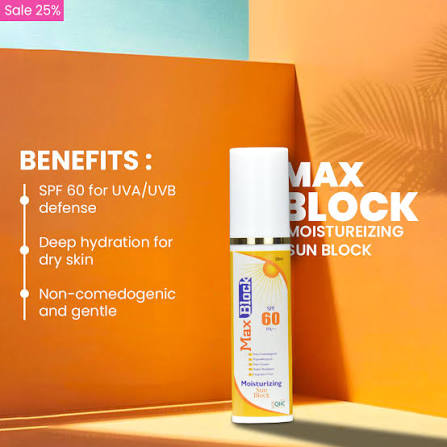
If you have oily skin, finding the best medicated sunblock can feel difficult. Many sunscreens leave the skin greasy, clog pores, or cause breakouts. In hot and humid weather, these problems become even more noticeable. The right medicated sunblock should protect your skin from harmful UV rays while keeping excess oil under control.
A good medicated sunblock is more than just sun protection. It also helps prevent acne marks, pigmentation, premature aging, and sun damage without making your face feel heavy. This guide explains what makes a medicated sunblock suitable for oily skin, which ingredients to look for, and how to choose the right one for daily use.
Why Does Oily Skin Need a Medicated Sunblock?
People with oily skin often avoid sunscreen because they think it will make their skin even shinier. However, skipping sunscreen can lead to serious skin problems.
Daily sun exposure may cause:
- Dark spots and pigmentation
- Acne scars becoming darker
- Premature wrinkles
- Uneven skin tone
- Sunburn
- Long-term skin damage
A medicated sunblock is specially formulated with dermatologist-approved ingredients that provide broad-spectrum protection without making oily skin feel sticky.
What Makes a Medicated Sunblock Different?
Unlike regular cosmetic sunscreens, medicated sunblocks are designed with skin health in mind. They are often recommended by dermatologists because they contain carefully selected ingredients suitable for different skin concerns.
Some important features include:
- Broad-spectrum UVA and UVB protection
- Non-comedogenic formula
- Oil-free texture
- Lightweight finish
- Dermatologically tested ingredients
- Suitable for acne-prone skin
These qualities make medicated sunblocks a better choice for people with oily or combination skin.
Features to Look for in a Sunblock for Oily Skin
Before buying any sunscreen, check its label carefully.
SPF 50 or Higher
Pakistan receives strong sunlight throughout most of the year. SPF 50 offers high protection against UVB rays and is suitable for daily outdoor exposure.
PA+++ or PA++++ Protection
PA ratings indicate protection against UVA rays, which are responsible for premature aging and pigmentation.
Oil-Free Formula
Oil-free sunscreens reduce excess shine and keep the skin comfortable throughout the day.
Non-Comedogenic
This means the product is less likely to clog pores, reducing the risk of acne.
Matte Finish
A matte sunscreen helps control oil production and gives the skin a fresh appearance.
Ingredients That Work Well for Oily Skin
The ingredients inside a sunscreen matter just as much as the SPF level.
Niacinamide
Niacinamide helps regulate oil production while improving the skin barrier. It can also reduce redness and acne marks.
Zinc Oxide
This mineral sunscreen ingredient offers gentle protection and is suitable for sensitive or acne-prone skin.
Silica
Silica absorbs excess oil and helps maintain a matte finish throughout the day.
Hyaluronic Acid
Although oily skin produces excess sebum, it still needs hydration. Hyaluronic acid provides moisture without making the skin greasy.
Vitamin E
Vitamin E supports the skin barrier and protects against environmental damage.
Common Mistakes People Make
Many people unknowingly reduce the effectiveness of their sunscreen.
Avoid these mistakes:
- Applying too little product
- Skipping sunscreen on cloudy days
- Not reapplying every two to three hours
- Using expired sunscreen
- Applying sunscreen only when going outside
Daily use is essential because UV rays can reach your skin even indoors through windows.
Which Texture Is Best for Oily Skin?
Texture plays a major role in comfort.
For oily skin, choose:
- Gel-based sunscreen
- Fluid sunscreen
- Lightweight lotion
- Matte-finish cream
Avoid thick, heavy creams that leave an oily residue.
Can Oily Skin Still Become Dehydrated?
Yes.
Many people confuse oil with hydration. Oily skin can lose water while still producing excess oil.
A lightweight sunscreen containing hydrating ingredients helps maintain the skin’s moisture balance without increasing greasiness.
Should You Choose Mineral or Chemical Sunscreen?
Both types have advantages.
Mineral Sunscreens
These contain ingredients such as zinc oxide or titanium dioxide. They sit on the skin’s surface and reflect UV rays.
Benefits include:
- Gentle on sensitive skin
- Less irritation
- Immediate protection after application
Chemical Sunscreens
These absorb UV rays before they damage the skin.
Benefits include:
- Lightweight texture
- Invisible finish
- Easy to wear under makeup
People with oily skin often choose lightweight chemical formulas or hybrid sunscreens that combine both technologies.
Daily Skincare Routine for Oily Skin
A proper skincare routine helps sunscreen perform better.
Morning Routine
- Wash your face with a gentle cleanser.
- Apply a lightweight moisturizer if needed.
- Use a medicated sunscreen.
- Apply makeup after the sunscreen has absorbed.
Evening Routine
- Remove sunscreen completely.
- Cleanse your face.
- Apply treatment products if recommended by your dermatologist.
- Finish with a light moisturizer.
Is QHC a Good Choice?
Brands such as QHC offer skincare products designed to support healthy skin. When selecting any sunblock, always check whether it provides broad-spectrum SPF protection, a non-comedogenic formula, and a lightweight texture suitable for oily skin. The best option is one that matches your skin type and can be used consistently every day.
Tips for Getting the Best Results
To maximize sun protection:
- Apply sunscreen 15–20 minutes before going outdoors.
- Use enough product to cover the entire face and neck.
- Reapply after sweating or washing your face.
- Wear sunglasses and a hat during peak sunlight hours.
- Stay in the shade whenever possible.
Consistency is more important than occasional use.
Who Should Use a Medicated Sunblock?
A medicated sunscreen is especially beneficial for:
- People with oily skin
- Acne-prone skin
- Sensitive skin
- Individuals with pigmentation
- People using acne treatments
- Anyone spending time outdoors
Dermatologists often recommend medicated formulas because they are developed with skin compatibility in mind.
Final Thoughts
Choosing the right sunscreen is one of the most important steps in maintaining healthy skin. Instead of selecting products based only on popularity, focus on ingredients, texture, SPF level, and your skin type. A lightweight, oil-free, non-comedogenic formula with broad-spectrum protection will help control shine while protecting your skin from daily UV damage.
If you are looking for the best medicated sunblock , choose a dermatologist-recommended formula that suits oily skin, provides SPF 50+ protection, and feels comfortable enough to wear every day. Regular use is the key to preventing sun damage, pigmentation, and premature aging while keeping your skin fresh and healthy.
Frequently Asked Questions
Which SPF is best for oily skin ?
SPF 50 with broad-spectrum UVA and UVB protection is generally recommended because of Pakistan’s strong sunlight.
Can oily skin use sunscreen every day?
Yes. Daily sunscreen use is essential for protecting oily skin from sun damage, pigmentation, and premature aging.
Does medicated sunblock cause acne?
A non-comedogenic, oil-free medicated sunblock is designed to reduce the chances of clogged pores and breakouts.
Should I reapply sunscreen?
Yes. Reapply every two to three hours if you remain outdoors or after excessive sweating.
Is a matte-finish sunscreen better for oily skin?
Yes. Matte-finish formulas help reduce excess shine and provide a more comfortable feel throughout the day.