
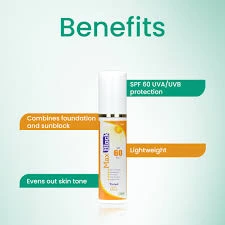
Sun exposure is part of daily life, especially in countries with strong sunlight like Pakistan. While sunlight is essential for vitamin D production, excessive exposure can quietly damage your skin over time. This damage often builds up slowly, which is why many people don’t notice it until visible signs appear such as dark spots, wrinkles, or uneven skin tone.
Understanding What Is Sun Damage and How to Stop It is essential if you want healthy, youthful, and protected skin in the long term. With the right knowledge and skincare habits, you can significantly reduce the harmful effects of UV rays and keep your skin strong and glowing.
Understanding Sun Damage: What Really Happens to Your Skin
Sun damage occurs when your skin is exposed to ultraviolet (UV) radiation from the sun for long periods without proper protection. There are two main types of UV rays responsible for skin damage:
- UVA rays: These penetrate deep into the skin and cause premature aging, wrinkles, and loss of elasticity.
- UVB rays: These mainly affect the surface of the skin and are responsible for sunburns and pigmentation issues.
When your skin is repeatedly exposed to UV radiation, it weakens the skin barrier and damages collagen and elastin. Over time, this leads to visible aging and uneven skin texture.
Common Causes of Sun Damage
Several daily habits and environmental factors can increase your risk of sun damage:
- Prolonged outdoor exposure without sunscreen
- Skipping sun protection on cloudy days
- Excessive exposure during peak sunlight hours (10 AM to 4 PM)
- Lack of protective clothing like hats or sunglasses
- Using skincare products without SPF protection
Even short, repeated exposure over time can contribute to long-term skin issues
Signs and Symptoms of Sun-Damaged Skin
Sun damage does not appear overnight. It develops gradually and often becomes noticeable after years of exposure. Common signs include:
- Dark spots and hyperpigmentation
- Uneven skin tone
- Fine lines and wrinkles at an early age
- Dry and rough skin texture
- Redness or sunburn patches
- Loss of skin elasticity
- Enlarged pores
These signs are often the first warning that your skin is struggling to repair itself from UV exposure.
Long-Term Effects of Sun Exposure
If sun damage is not controlled early, it can lead to more serious skin concerns, including:
- Premature aging (photoaging)
- Persistent pigmentation issues
- Weak skin barrier function
- Increased sensitivity and redness
- Higher risk of skin disorders over time
This is why dermatologists strongly emphasize prevention rather than treatment alone.
How to Stop Sun Damage Effectively
Stopping sun damage is not about avoiding the sun completely, it is about smart protection and consistent skincare habits. Here are the most effective ways:
1. Use Sunscreen Daily
Sunscreen is the most important step in preventing UV damage. Choose a broad-spectrum SPF 30 or higher and apply it every morning, even if you stay indoors most of the day.
Reapply every 2–3 hours if you are outside.
2. Avoid Peak Sun Hours
Try to limit direct sun exposure between 10 AM and 4 PM when UV rays are strongest. If you must go outside, stay in shade whenever possible.
3. Wear Protective Clothing
Clothing can act as a physical barrier against UV rays. Use:
- Wide-brim hats
- UV-protective sunglasses
- Light but long-sleeved clothing
4. Maintain a Healthy Skincare Routine
A good skincare routine helps repair and strengthen your skin barrier. Include:
- Gentle cleanser
- Hydrating moisturizer
- Antioxidant serum (like Vitamin C)
- Sunscreen as the final step
5. Stay Hydrated
Water helps maintain skin elasticity and supports natural repair functions. Dehydrated skin is more prone to sun damage.
Skincare Ingredients That Help Repair Sun Damage
Certain ingredients are especially effective in repairing sun-damaged skin:
- Vitamin C: Brightens skin and reduces pigmentation
- Niacinamide: Strengthens skin barrier and evens tone
- Hyaluronic Acid: Provides deep hydration
- Retinol: Improves skin texture and reduces fine lines
- Aloe Vera: Soothes sunburn and irritation
Using these ingredients regularly can significantly improve the appearance of sun-damaged skin.
Role of qhc in Sun Protection and Skin Care
A consistent skincare routine becomes even more effective when supported by reliable products. Many users in Pakistan trust qhc for daily skincare solutions designed for local climate conditions.
QHC products focus on hydration, protection, and skin barrier support, which are essential when dealing with sun exposure. Whether it is moisturizers or protective skincare formulas, which helps maintain skin balance while reducing dryness and irritation caused by harsh sunlight.
Using quality skincare like qhc alongside sunscreen can significantly improve your skin’s resistance against UV-related damage over time.
How to Prevent Sun Damage in Daily Life
Prevention is always better than treatment. Here are simple daily habits that can protect your skin long-term:
- Apply sunscreen every morning without skipping
- Reapply sunscreen after sweating or washing your face
- Use skincare products with antioxidants
- Keep your skin hydrated throughout the day
- Avoid tanning beds or artificial UV exposure
- Eat a diet rich in fruits and vegetables
- Sleep well to support skin repair
Consistency is the key factor in preventing long-term skin damage.
Building a Sun-Protected Skincare Routine
A simple yet effective routine for sun protection looks like this:
Morning Routine:
- Cleanser
- Vitamin C serum
- Moisturizer
- Sunscreen (most important step)
Evening Routine:
- Cleanser
- Repair serum (like niacinamide or retinol)
- Hydrating moisturizer
Following this routine daily helps repair existing damage while preventing new damage from forming.
Can Sun Damage Be Reversed?
Some effects of sun damage can be improved, but not all can be completely reversed. Early signs like dullness, pigmentation, and fine lines can be reduced with proper skincare. However, deeper damage such as severe wrinkles may require long-term treatment.
That is why early protection is always the best strategy. The sooner you start caring for your skin, the better the long-term results will be.
Final Thoughts
Understanding What Is Sun Damage and How to Stop It is the first step toward healthier and more youthful skin. Sun damage is a gradual process, but with consistent protection, it can be controlled and minimized effectively.
Daily sunscreen use, proper skincare, and healthy habits all work together to protect your skin from harmful UV rays. Supporting your routine with reliable skincare choices like qhc can further strengthen your skin barrier and help maintain a radiant complexion.
In the end, protecting your skin today means fewer skin problems tomorrow—and long-lasting natural beauty that stays healthy under every season.